PRESS RELEASE: Renew the Earth suggests a way to balance the unequal impacts of economics on humanity, by using Energy Currency for basic human needs

Jeff & Susan • October 14, 2020

Albany, New York, October 2020 – Renew the Earth ( renew-the-earth.org) suggests an Energy Currency Credit Card be given to every individual for use in acquiring their basic needs of food, shelter, education and healthcare.

Renew the Earth, an Albany, New York based non-profit organization has been developing a way to calculate what is necessary to sustain basic human life, named the Human Renewable Energy Measure. This calculation is valuable for many reasons. One thing it makes clear is how much human energy effort is needed to keep our economies running. Another is, that all our basic needs are the same in definition and quantity, worldwide.  The Corona virus pandemic has made it clear how valuable people are in keeping economies functioning.  And, that all people are essential to this effort, no matter what their job or activity or status. 

So, how much is a life worth?

How much is money worth?

These are questions that must be addressed if we are to create more economically equal societies. Why is this important? Economic inequality encourages racism. More equal societies have less racism, among other beneficial things like fewer wars, less migration, less depression, fewer debilitating diseases.  These societies are more empathetic, more inventive, more content, less fearful, more inclined to preserve nature, and use natural resources efficiently.   In order to have a heathy economy we need to have a healthy and informed population. Each person from birth to birth must have food, shelter, education and healthcare. These needs are the same and measurable, no matter where people live on Earth. They are equivalent to the base value of a human life. They make survival possible. These are not the individual intellects and talents that make each of us unique. These are the basics that keep us alive, they are the same for every person, and they can be calculated in objective energy units. This is a good thing and only possible now because computers have the ability to systematize. A chart showing where each human need will be distributed world wide, how much of each need is necessary in each population and how frequently deliveries must be made, can be developed.  It is essential that needs not be calculated in money values because money does not have a consistent value. Its value is subjective, controlled by the fluctuations of economies country to country, year to year, day to day. 

Human energy needs are consistent and must be met every day, no matter what. Human energy survival units can be calculated objectively and are constant and predictable, person to person, world wide.   Speculation, interest rates, stocks, inflation, are all impacts on the exchange value of money/currency/wants, and would impact the cost and distribution of basic needs, making it impossible for economically unequal societies to provide basic needs for their citizens. Instead, the result would be inflation of money value.  Through a separate but parallel currency stream we call Energy Currency, basic needs would be calculated and distributed. This currency cannot be invested or gamed and does not create inflation because it is destroyed at the banks.

As Senator John Lewis once said, “Make it simple, make it sing.” A new economic balance can emerge from what we have learned during the pandemic. Energy currency providing basic human needs and traditional currency for speculation, profit and investment. The result will promote innovation throughout humanity, not just a small percentage. We are all capable of creative leaps, if we have time to think and are not compelled to make more and more money to cover basic needs. Our future on Earth depends on the most diverse expansion of thought possible.   Is it possible, within our present economic functioning, to protect life? All life? Can we agree that whatever system sustains life has created ‘real value’? Our human impact has done and continues to do damage around the world. We are all aware of this. With out wanting to, we commit crimes against each other and Nature. Profit economics, functioning unrestrained, without being balanced by considerations like the health and survival of humanity and life in general, as we now see clearly, creates a  life blind  value system. We are compelled to compete with each other and make wasteful use of natural resources. Profit depends on constant growth. but constant growth is not possible on our finite Earth. This is the unsustainable structural/economic violence within which we are presently functioning.  

Anything is possible, if it is necessary. Let’s imagine two currency streams, functioning side by side, serving different purposes and complimenting each other. One, Energy Currency, is for objective Human survival needs, food, shelter, education and healthcare. The other, Traditional Currency, continues its useful functions in speculation and financial reward and for purchases of wants like, cars, investments, vacation homes, savings, fancy clothes, cruises, fun stuff, etc. This traditional currency carries on the way it always has, but the Energy Currency or credit, mitigates its damaging aspects and begins to create balance by stabilizing human labor through guaranteeing their basic needs.  

How does Energy Currency/credit work? This ‘social credit’ is not used like present traditional currency. It cannot be invested or saved and is destroyed when it gets to a bank, so it won’t create inflation. It can be issued to each person in the form of a card that can be used only for basic food, shelter, education and healthcare. The credit can be ‘cashed in’ by the recipient at a fair market value that is monitored so that it cannot be used for speculation.   No one is to blame for the damage being done to people and nature, but we all have had to participate. We have been formed by our economic systems from birth and behave within its constricts. It is almost impossible to imagine another way of living. Economics even controls governments. The task for all of us is to think our way out of constant competition and money making into a different economic structure. Then, make it a reality. Economics that enhances the well being of everyone and all life, making it possible for us to enter our brightest future.
 

Are you interested in learning more about Renew the Earth and their concepts of Human Renewable Energy Measure and Energy Currency? Please check out their website at  www.renew-the-earth.org. “These are open source ideas and we welcome your input,” says Susan Caumont, president; Renew the Earth.

About Renew the Earth: Renew the Earth has been working since 1970 to educate the public about renewable energies, sun, wind and biomass and sustainable practices. Over the past 10 years, our focus has shifted to the HREM, Human Renewable Energy Measure, and Energy Currency. We feel that general acceptance of renewables has been reached and the present roadblock is how economics functions for-profit and not for humanity and best practices. “Time is not money, time is life.”

Jeff Beller, economist and vice president of Renew the Earth.

Contact Information:Name: Jeff Beller

Address: Renew the Earth, 8 Robin Ann Lane, Westerlo, NY 12193

Phone: 518-797-3377
July 6, 2026
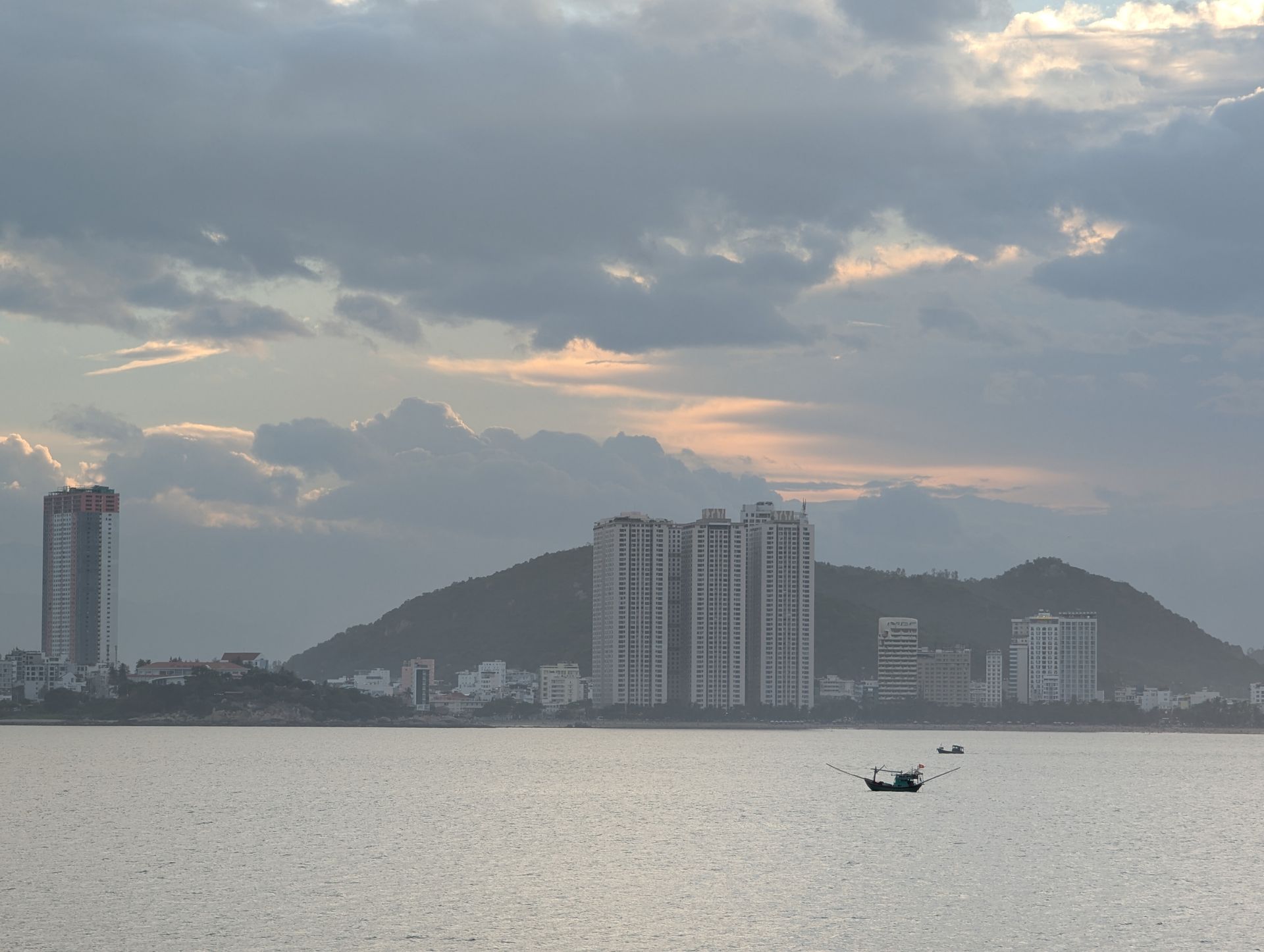
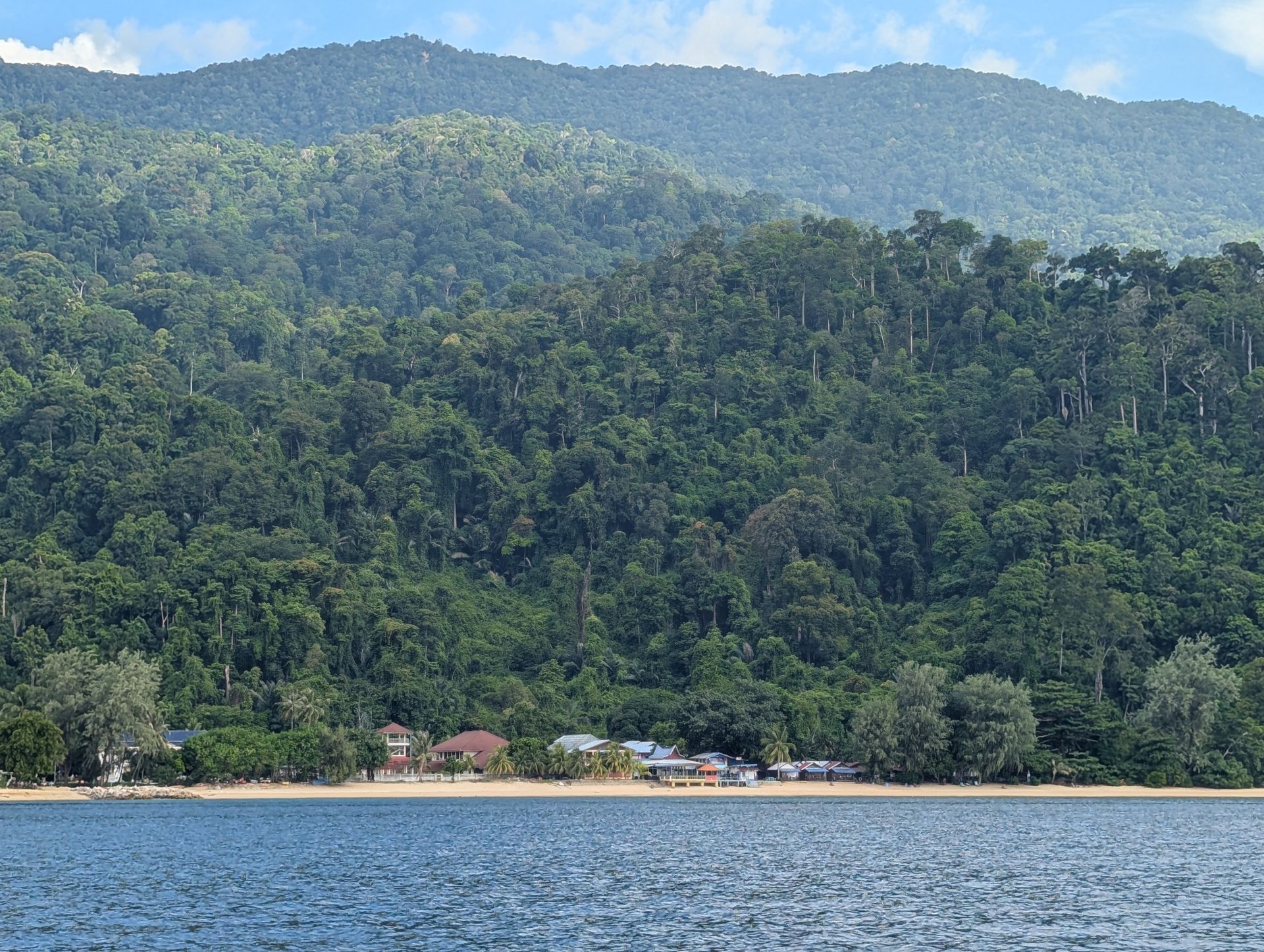
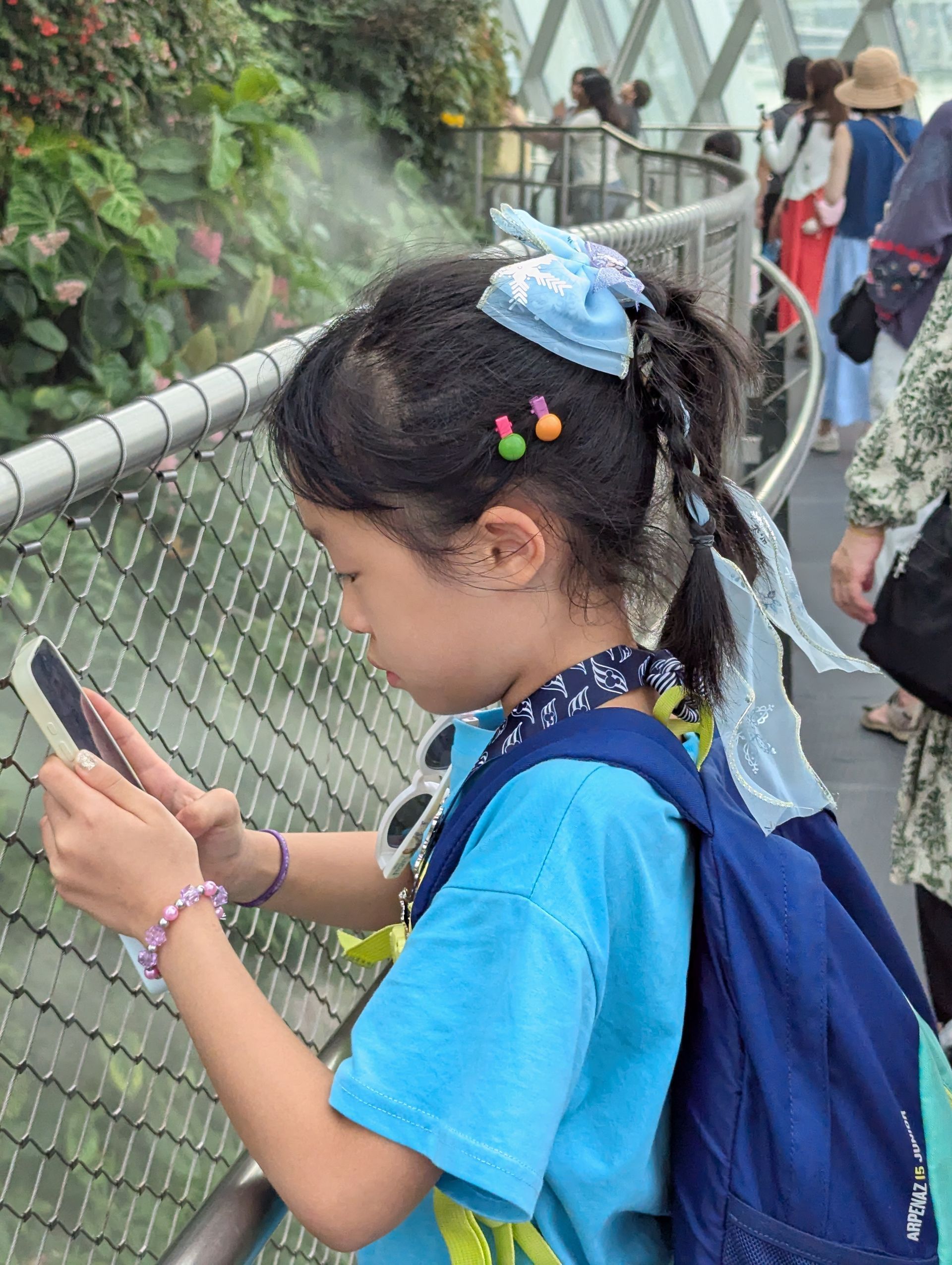
On this island the local boats generally have blue hulls with a red stripe and a green cutty with a small solar panel on top. There is not as much activity on the water as we saw in Coron. Just a few boats venture out in the morning and throughout the day. We happened to arrive on the 19th anniversary of the incorporation of the village and they were having a celebration. Jeff was able to talk to several members of the local government who were out and about and introduce them to our Parallel Currency concept. According to one official, a person can rent an apartment and have meals delivered and light cleaning done for less than 1,000 USD a month while living on their island. They asked Jeff how to solve their problem of no doctors in their new hospital. He suggested the Cuban model. Start a University. Hire teachers that can train doctors and nurses and whatever skills the island needs. Offer this education for free to the local population. Offer the educators housing and hospitality while they are teaching and a good deal for their retirement. They were intrigued and wanted to keep in touch. It would be very interesting to hear what happens. Maybe we can visit again in the future.  When we explore the village, using Jeff's new wheelchair for the first time, the going is a little rough. There are avenues between the open shopping booths but they are for walking and motor scooters.
June 29, 2026
The reason our ship is returning to Singapore so frequently, while traveling in South Asia, is because they have the most dependable supply of marine diesel fuel. Since the war started it has become the foremost consideration of our voyage. Several new fuel saving activities have been recently introduced. Traveling at slower speeds between ports, drifting with engines off, staying at ports longer (four days instead of two) anchoring out near island villages for several days, and a 1,500 dollar fuel surcharge monthly per cabin was recently attempted as a mandatory requirement. When it was resisted, it was made voluntarily. Many passengers cannot sustain this increase in their monthly fee and some passengers have contracts guaranteeing no monthly fees if 300,000 was paid upfront for lifetime ownership of the cabin. This was very uncomfortable for many residents for several reasons. The prospect of the cruise possibly going bankrupt was raised in many minds. And the lack of foresight on the part of the owners has created anxiety. Ever since the war started it has been clear that fuel was going to be a problem. Their answer was that availability was going to be the problem, not price. This proved to be wrong. The price of marine diesel fuel has more than doubled. On a residential cruise ship there is a unique dynamic which is not available on land. Getting the passengers to pay for the company's money emergency can not work because if a passenger cannot pay they just leave the ship, then the company loses monthly fees and the surcharge. The owners and wealthy passengers can't pass the expense on down, it comes back to them and they have to consider paying more themselves. On land the prices increase to compensate elite business owners, they can avoid tax hikes with ‘clever’ accounting and they get tax breaks from the government, while the rest of the population has to pay the higher prices plus higher taxes. This cruise situation is more representative of what people can afford to pay or not pay. An interesting real life example of a successful challenge to unequal economic pressure. Of course this has caused resentment and misunderstandings because everyone, even the wealthy, have to think about how important this cruise is to them and how much more money they can spare to keep this business venture afloat at the expense of their own future wellbeing and interests.
June 22, 2026
The dragon boats are out. It is Sunday morning when we arrive in Manila and dragon boat crews are practicing in the harbor. On the bow of some of the narrow boats a thin man stands with a paddle demonstrating the movement and rhythm of the stroke; another man stands in the stern controlling the rudder. Races are held regularly. There are similarities between this ancient sport and the racing crews of Britain and the US. But these small boat racing techniques developed separately and for different reasons, according to what I have read. In general, big cities are much the same. They are expensive to travel around, a taxi or Grab (Uber) are necessary, and there is little relief from the heat and humidity except in the malls and museums. The intensity of shopping and making a living is at a fever pitch.
June 15, 2026
Returning to Caron, Philippines. Several miles off shore, while passing the Island of Borneo, we observed a surreal sight. Stationary skeletal structures on the horizon, some of them with flames shooting from a long up tilted pipe, like a dragon breathing fire. These were oil derricks 30 or more miles from the coast of Brunei burning off natural gas, a volatile by-product of oil drilling. They come into view, are left behind, and new ones appear, as we progress. At least 30 derricks paralleled our course. Normally there is nothing to see except an occasional container ship. So this is exciting. I read that there are at least 200 of them in this vicinity. Also, some have been decommissioned and made into marine habitats, (dismantled and sunk), by the Brunei government who deploys and maintains these derricks. They are a major exporter of oil and share the Island of Borneo with Malaysia and the Philippines. This experience of observing oil drilling activities during an oil crisis feels a bit surreal.
June 8, 2026
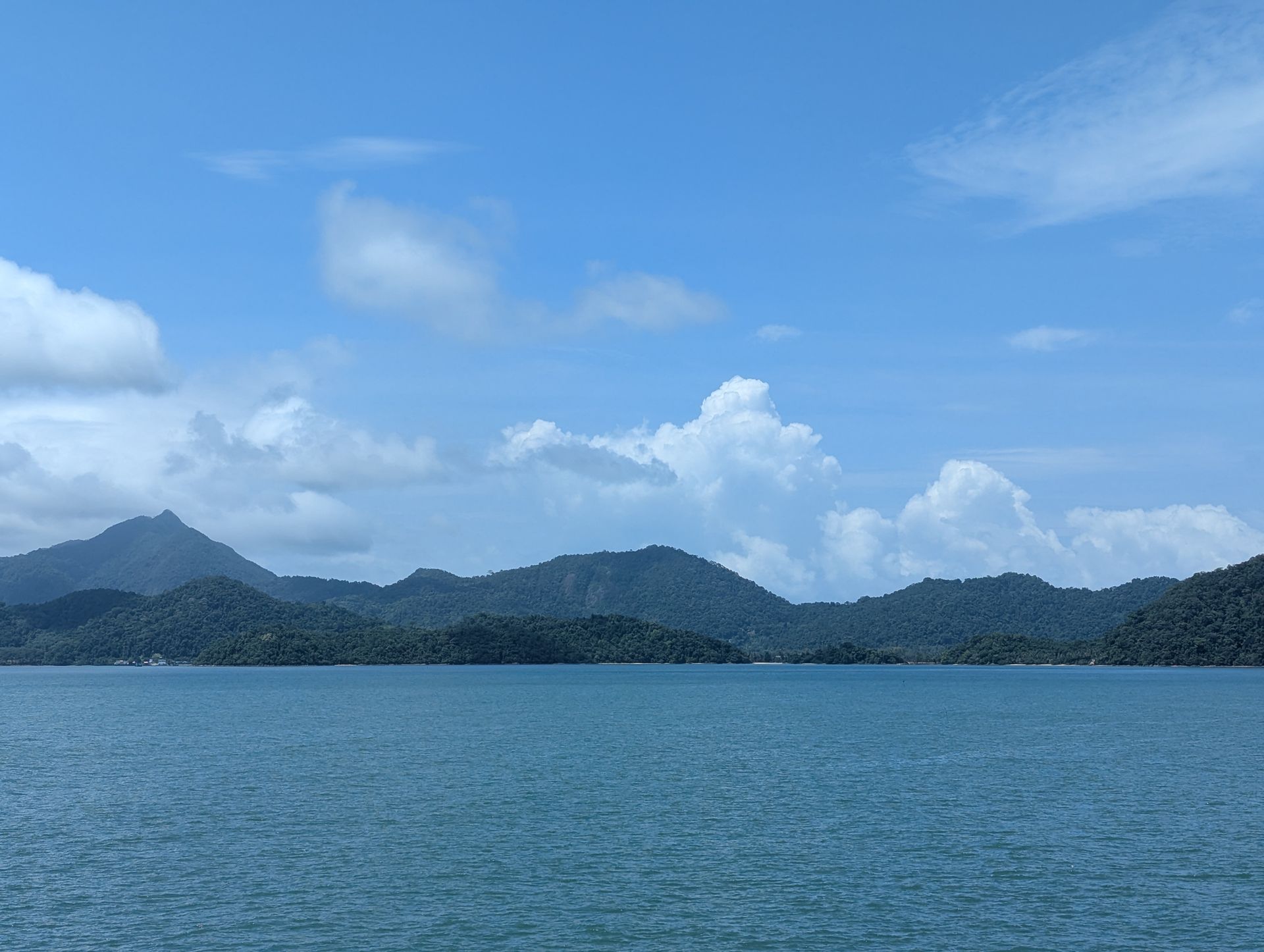
The approach to Coron, Philippines. Mountains all around, some narrow cream colored strips of beach. Single person open boats drift here and there, some are paddled. The larger colorful outrigger boats glide by like water spiders, leaving no wake. Clouds have bunched and swelled above the land taking up a lot of the sky blue sky. This is the rainy season. Our ship is drifting slowly. We are not expected at port for a while. The opening of the harbor is in sight and a green entrance marker is visible.
June 8, 2026
In its present form, Capitalism cannot easily fix the ongoing problems of its own making. It has become an economic formula for much of World commerce. Its empowerment of the often unrestrained pursuit of profit, guided by the optional moral consciences of some individuals, businesses and nations has allowed for broad interpretation resulting in vast destructive behavior. We have been able to personally visit about forty countries during more than a year of continuous travel. Our goal is to complete one circumnavigation within another two years. This trip has developed into a unique opportunity to research World economies. Which was our hope at the onset. We are now in Southeast Asia and it is possible to make a few observations. The opening of ‘free markets’ with Capitalism worldwide has become a modern form of Colonialism. Countries that are thriving go into developing nations with the huge advantage of currency value and technological superiority. They essentially locate in each country resources that can be monetized and profit made, hire employees for less than they can in their home countries, then take the majority of the profit out of the host country. This dramatically changes the existing natural balance in most of these developing countries and thrusts them into the financially unbalanced world of free market capitalism for which they are not prepared and have no immunity. Where we have traveled so far, many developing countries are turned into tourist attractions and the young people are mostly encouraged to aspire to ‘hospitality’ work, keeping their expectations low. The following is a short summary of how Capitalism has evolved in recent history. People have benefited for many hundreds of years from the innovation and competition inherent in the practice of Capitalism. But now the symptoms of its flaws are obvious and too damaging to ignore. When Capitalism fails from its own weaknesses it can, in its final form, become fascism; dictatorial power, militarism, an autocracy that crushes opposition. It makes a few people very rich and creates a dictator to protect their wealth and influence resulting in an ultra nationalist state. When a country is completely invested in Capitalism, like the US, it must constantly monitor its military and financial power in the World. Looking back; the US petro dollar was established during the 1973 energy crisis by Nixon/Kissinger, in order to keep the US dollar strong next to other currencies. Controlling the high value of a nation's currency is essential for Capitalism to thrive and it was clear that oil was the blood of World economies. Arab oil traded for dollars in exchange for US military protection was the deal with the Saudi government. Because oil energy is a major labor saving device and creates exponential productivity and wealth, trading dollars for oil made the US Dollar the “preferred currency” and kept its value high. In 2024 the agreement with Saudi Arabia expired because the US could no longer protect Arab nations militarily. Also the rise of renewable energies challenged oil supremacy. One of Capitalism’s characteristics is to concentrate wealth in the hands of a few and encourage profit making over stabilization of a good quality of life for the rest of humanity. Over emphasis on profit making has suppressed education, healthcare and general dignified survival wherever it dominates. Wealth is not a barometer of intelligence or happiness. It is an advantage in Capitalist societies that opens opportunities in education and business. All it takes is a few powerful people to keep Capitalism going, apparently the richest 10% of the World population. That Capitalism has lasted so long is in part a testimony to its ability to keep adapting and improving on its least attractive strengths: control over the means of production, control over the value of currencies, amorality, exploitation, and a powerful military. Capitalism is presently a pervasive economic belief system and acts as a powerful temptation and World influence. Its social impact is on par with Communism, Democracy, Religiosity, Socialism, Liberalism, Conservativism, etc. This has again been made clear by the present oil/food crisis, created by the US/Israel attack on Iran that resulted in Iran closing the Strait of Hormuz. (Was this war a move on the part of the US to control oil and keep the USD strong?) This situation may already be worse than the energy crisis in the 70’s that created the US petro dollar. The World population is larger and more interconnected economically than ever before, making this oil shock even more damaging than the one in the 70’s. Oil is a valuable fair trade commodity. Its locations and price are controlled by a handful of companies and nations. (A common characteristic of Capitalism.) This essential energy source is centralized and vulnerable. The World economic system is in shock and being held hostage to the flow and price of oil. But this time there is a competitor for preferred currency, China's Yuan. Humans have become, over approximately 500 years, adapted to Capitalism. It feels inevitable, no matter what it destroys. It has captured the popular imagination like a religion. But unlike religions it encourages people to cast aside concerns of morality and the fate of humanity. Its symptoms and failures are explained away as the evils inherent in humanity or individual failures. But religions have shown they can evolve. Economics can evolve also. Like the worm of Protestantism that entered the apple of Catholicism, maybe there is a pest that can invade the Capitalist feeding frenzy. This pest could be in the form of a Parallel Currency, that would create, in time, a hybrid World economy dedicated to the dignified survival of all humanity. Any nation or state could introduce a Parallel Currency to be used next to existing currency. A currency printed to provide a base for humanity; the essential needs of life; food, shelter, education and healthcare. Not freedom, not security, but what comes before humanity can have either of these things, survival. Life long access to food, shelter, healthcare and education. There is enough. Basic needs are the least expensive and most abundant things a nation can provide its citizens. The Parallel Currency is a way to pay for it. A few countries are already trying to do this with their tax structures and laws, but a Parallel Currency would do it without taxation or inflation. With a stroke of a pen it can be initiated. It is a separate currency that can only be used for basic needs; their creation and distribution and is destroyed when it reaches a bank so it won't create inflation. It also will not inhibit the positive capabilities of existing currencies. They will function normally. The Parallel Currency would be a closed loop created for dignified human survival. A form of this is already used by the major developed nations to supply and sustain their large militaries. You are provided food, shelter, education and healthcare as long as you are employed by the military. China has built, in its isolation, a successful hybrid of Capitalism and Socialism controlled by its Communist government. In approximately 40 years they have brought their massive population out of poverty and become one of the most technologically advanced nations on the planet. Freedom of speech, freedom of religion are not enough. A government by the people, for the people, must also guarantee freedom from starvation, homelessness, and freedom from ignorance and curable illness. All things for which we have, as a human species, developed remedies. This is the overarching injustice of Capitalism. That these remedies exist and have been largely made possible by Capitalism but are not shared with all humanity. People have evolved beyond the war response to disagreements, but governments have not. By eliminating the tensions created by economic inequality with a Parallel Currency dedicated to providing survival needs Worldwide it is possible to see a new way. It is our responsibility to help economics and governments evolve with us. Susan Caumont Renew the Earth, renewthe-earth.org
May 18, 2026
They have only recently become independent; 2002. The struggle and tragedy of this objective still vibrates in the air and has left scars. Poverty, deteriorating roads and sidewalks, buildings and ambitions. In the intense heat of the day, most shops can't afford to have or to turn on air-conditioning. A large tree shaded park where an unchained warrior statue shouts to the sky, is heavily used by all ages.
May 8, 2026
Our arrival on the island of Waingapo is welcomed with a red carpet. The carpet leads expectantly to where several men wait, holding 11” by 14” laminated photo narratives of tours they can take you on and tell you about with three word comments in English. Past them chairs, also covered in red, have been set up under an awning for our “dignitaries.” Beside these are a few tables with souvenirs. Several young boys wait on either side of the red carpet to perform for the passengers as they disembark. Many local people are also waiting in the growing heat for the Exodus of the passengers. Ours may be the first cruise ship that has stopped at their island. One passenger finally emerges and avoids the carpet and the boys. They are shocked. Eventually a group does come out together and allow themselves to be greeted and entertained. They have selfies taken with the boys. Then return to walking and looking into the screens of their phones, bowed over them like they are praying After exiting the port area there is a long walk through parked cars, trucks and taxi drivers out to the crumbling asphalt of the main road. It is lined with vendors, a gauntlet of drinks and snacks. A ferry is unloading, people and motorcycles are streaming out. These are the customers the vendors are waiting for. A large number of motorcycles are parked on either side of the road waiting for their owners. We make our way between the crowds of people and vehicles to the hot uphill slope of the road that goes somewhere, which is hidden from sight by bunches of dark green trees. Shortly we are defeated by the heat and start back. Access to other parts of the island that are considered appropriate for tourists require a taxi, negotiations for price and where it will go. Generally we try to avoid this and are most interested in what we can observe and who we can meet by walking. We talk to a motorcyclist on our way back who says he has access to local Royalty. Jeff describes the Parallel Currency concept to him and gives him our website card. I am also able to pick up some interesting scraps of paper from the garbage that lines the road. I use their patterns and color to create abstract images on postcards I make to send to friends and family. In the end this has turned out to be a very satisfactory walk. There are very few palm trees here, which is remarkable. A different ecosystem than Bali. The mountains are low, flat topped and shelved. They define the spine of the island. Bunches of dark green trees patchwork the slopes getting denser as they approach the water. The water is blue/green and clear, fishing boats are high prowed and the smaller boats have outriggers made of bent PVC tubing. It is now early evening and the sun is low. I am walking around the outside deck of our ship taking in the 360 degree view and the sounds. On the starboard side a band is playing on shore and a singer starts up a contemporary tune. As I round the bow a chant drifts through the dusk, the Muslim evening prayer. This dominates the port side then at the stern blends with the music on shore, which dominates on the starboard side. Round and round as I walk they alternately blend and retreat, blend and retreat. I notice as I look out over the port side that the tide has gone out and long flats of seaweed, rocks and soil are exposed. People have walked out onto these surfaces to harvest edible sea life, gathering them into plastic buckets and bags. I feel like I am watching history.
May 4, 2026
We dock at the port of Bali. It is too hot and far to walk anywhere, so we hired a taxi driver for the day and invited our friend Wido to come with us. He is Indonesian, his home is in Jakarta and this is his first visit to Bali. Indonesia is a country of 17,508 islands. There is a governor on each one who communicates with the central government. Few Indonesians have visited every island. What strikes me immediately as our driver, Budi, finds his way through the dense traffic, is the careful weeding of the center island between opposing lanes. This is exceptional because of the extreme heat. No one could be doing this during the day. People must come out at night, when it is cooler, and meticulously pull the weeds. It becomes clear as the day passes and more and more of Bali is revealed, that attention to detail and extreme patience is a characteristic of the Balinese. The traffic is a dense mix of motorcycles, cars and trucks.
April 28, 2026
Like an exotic jewel set in the archipelago of Indonesia, Bali glitters and enchants. The Balinese have retained their unique community through intense social/religious bonds, hard work, exceptional talent and great sacrifice through the centuries to become a beautiful, gentle and inspirational community. Now, because of these unique qualities and accomplishments, finally and fatally they have become a primary tourist attraction that presently dominates 80% of their economy. The irony is that this may be the thing that destroys an incredible place and its people that hundreds of years of oppression and wars did not. If they don't soon diversify and return to the trusted systems that meant survival for their society over more than a thousand years Bali will no longer be a wonder of the World. Their unique form of Hinduism understood the root of survival when their irrigation system, subak, was first built. It was defined as a religious object to be venerated and protected with prayer, with temples and maintained by priests. Rooted in the Balinese philosophy, Tri Hita Karana, the principle of achieving harmony between humans, nature and the divine. It was the source of the staple food, rice. Water came from lake Batur, in the crater of the extinct volcano Kintamani, irrigated the hand cleared and formed terraces of rice paddies that descend in beauty and function to the sea. Seedlings hand planted by the women, sheaves of rice attached to the ends of poles carried across the shoulders of the men to the storage huts simple activities, carried out over more than one thousand years, that meant survival for a society. And the ancient kings of Bali also came together to sanction the subak. Agreement between religion and state. A rare thing in history and in the present. So what is happening now? How is tourism threatening the survival of the Bali we have come to know and admire? Aren't people coming to praise and enjoy? Isn't that a good thing? It is not the intentions of the visitors, it is the structures built around tourism that make tourism possible, they have become destructive. Why are they destructive? The answer is water. Because of the demands of hotels and resorts for fresh water, the water table has dropped by around 60%. Into the void presses the salt water of the sea. Not only is the amount of fresh water that feeds the subak compromised it is threatened by salination and made unusable for rice growing. This situation is sometimes referred to as being caught between a rock and a hard place. The government needs to step in and limit or freeze new construction of resorts till a sustainable balance is found. Also, water use needs to be prioritized and rationed for essential use, the subak system as a primary user. Finally, the income from tourism must be distributed back to the Balinese people for their dignified survival and flourishing. The dependency on tourism has created an imbalance. Men can be seen sleeping rough in the parks. There is desperation in the eyes of the women who sell clothing and souvenirs in the outside stalls. The main profession encouraged for children is hospitality work. The majority of profit from tourism needs to be returned to the people. They have earned it, they have built what we admire, they have carried in their hands and hearts the unique social compromise that has survived to this day against impossible odds and now it is being challenged by economic forces, more subtle but no less aggressive and destructive than war. Susan Caumont
More Posts